Ornamental Iron That Holds Plumb on Clay
Wrought Iron Fence Installation in Cyril for established properties where permanence and character matter
Heavy wrought iron panels demand structural attention that lighter fencing materials do not, and Oklahoma's shifting clay soil makes proper anchoring non-negotiable. You notice ornamental iron on established homesteads and in-town properties because it communicates permanence and craftsmanship, but those panels only deliver on that promise if gate hinges and post anchors are selected to prevent sagging over time. 4 Feathers Fencing & Contracting LLC assesses every site before quoting because the work required to keep heavy iron level and plumb varies with soil conditions, grade changes, and panel weight—factors that cannot be estimated from a phone call or photo.
Wrought iron installation involves setting posts with sufficient depth and concrete volume to resist lateral movement as clay expands and contracts, welding or bolting panels to posts with connections that distribute weight without stress concentration, and selecting hinge hardware rated for the actual weight of iron gates. Clay soil movement in south-central Oklahoma shifts posts that are not properly anchored, and even small changes in post alignment cause iron gates to bind or sag. The work is engineered, not decorative—ornamental iron requires the same structural discipline as any other heavy fencing material.
Arrange a site evaluation to review soil conditions and panel specifications for your property.
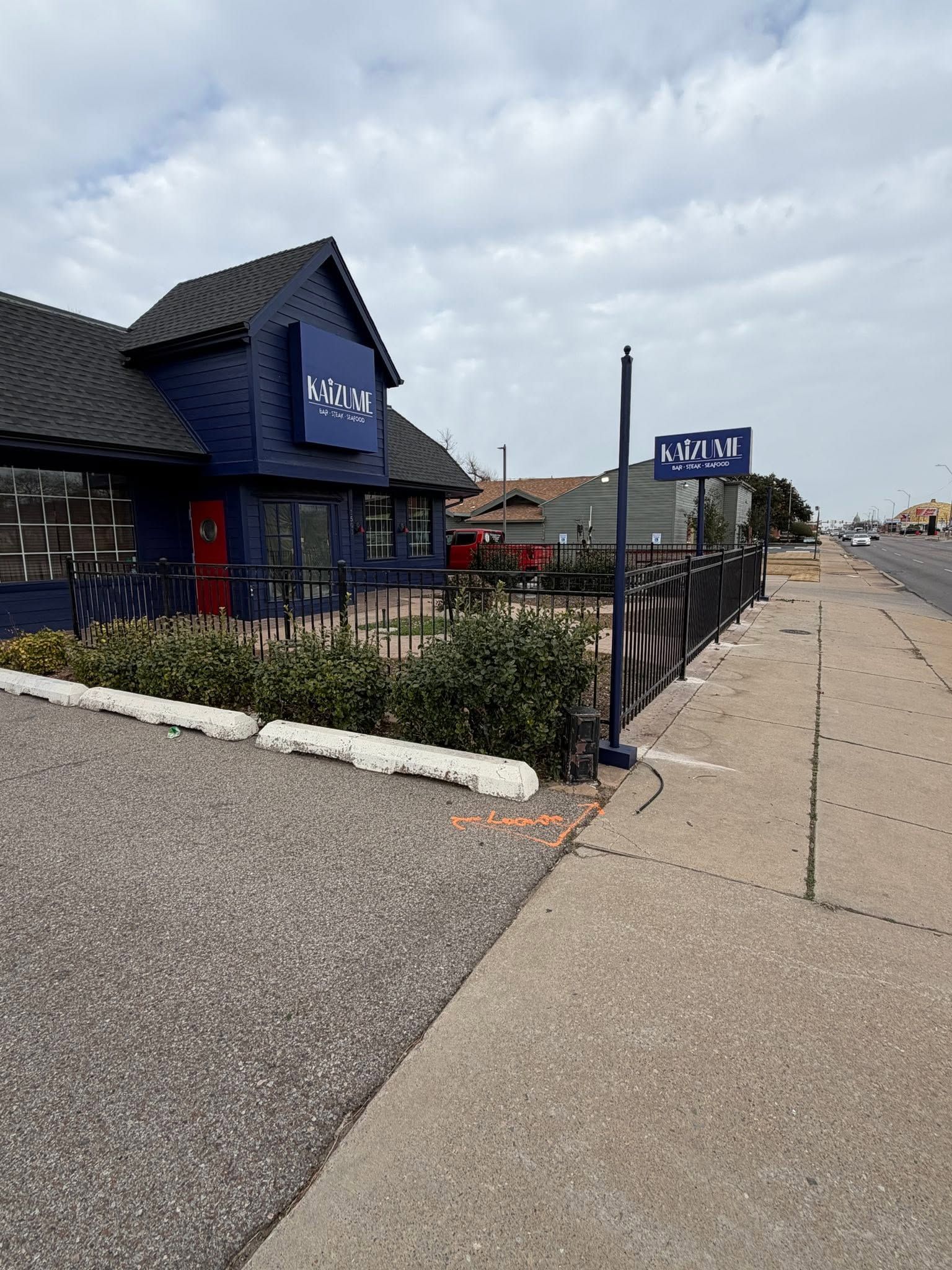
How Proper Anchoring Addresses Oklahoma Soil Movement
Iron panels weigh significantly more than wood or aluminum, and that weight magnifies the effect of any post movement caused by soil expansion or settling. Post anchors must extend below the frost line and into stable soil layers, and concrete footings must be sized to distribute load without sinking or tilting as moisture levels change seasonally. Gate hinges face even greater demands because the cantilever load of a swinging iron gate applies rotational force to the hinge post—undersized anchors allow the post to rotate slightly with each gate cycle, and over months or years the gate drops out of alignment and no longer closes properly.
After installation, you will see iron panels that remain vertical and aligned through seasonal soil changes, gates that swing smoothly without binding or sagging, and connections that show no stress cracking or fastener distortion. The fence line holds its intended geometry because the anchoring system resists the forces applied by panel weight and soil movement. Wrought iron installed with AFA standards and a quality-first philosophy does not require adjustment or repair after the first season—it performs as designed from the start.
Ornamental iron also requires finish maintenance over time, though properly applied powder coating or paint protects the material for years before recoating is needed. Post placement accounts for property grade and drainage patterns so that standing water does not accelerate corrosion at ground level. The result is fencing that delivers the curb appeal and permanence you expect from ornamental iron, supported by the structural foundation required to maintain that appearance long-term.
Common Questions About Ornamental Iron Fencing
Property owners considering wrought iron fencing in Cyril and surrounding communities often ask about installation approach, soil considerations, and long-term maintenance before moving forward with the project.
What makes wrought iron installation different from other fencing types?
Heavy iron panels require deeper post anchoring and larger concrete footings than wood or aluminum because panel weight and wind load combine to create lateral forces that shift improperly anchored posts over time.
How do clay soil conditions in Cyril affect ornamental iron installation?
Clay soil expands and contracts with seasonal moisture changes, and posts that are not anchored below the active soil layer will shift or tilt as the ground moves—proper depth and footing size prevent this movement.
Why do iron gates sag on some properties but not others?
Gate sagging occurs when hinge posts are not reinforced adequately for the cantilever load of the swinging gate, or when post anchors allow rotation under repeated use—hinge hardware and post reinforcement must match the actual gate weight.
What maintenance does wrought iron fencing require in Oklahoma weather?
Ornamental iron requires periodic inspection of finish condition at weld points and ground contact areas, and recoating every several years depending on exposure—properly installed iron does not require structural maintenance if anchoring and connections are done correctly from the start.
How is pricing determined for wrought iron installation?
Pricing reflects panel weight and design complexity, post depth and footing size required for your soil conditions, and gate hardware specifications—every site receives an on-site assessment because these variables cannot be estimated remotely.
Every wrought iron project is assessed and installed by the same owner who quotes the work, so material selection and installation method are never handed off or delegated. Contact 4 Feathers Fencing & Contracting LLC at (405) 351-3534 to schedule an honest evaluation based on your property's actual conditions.